Born in Holly Springs
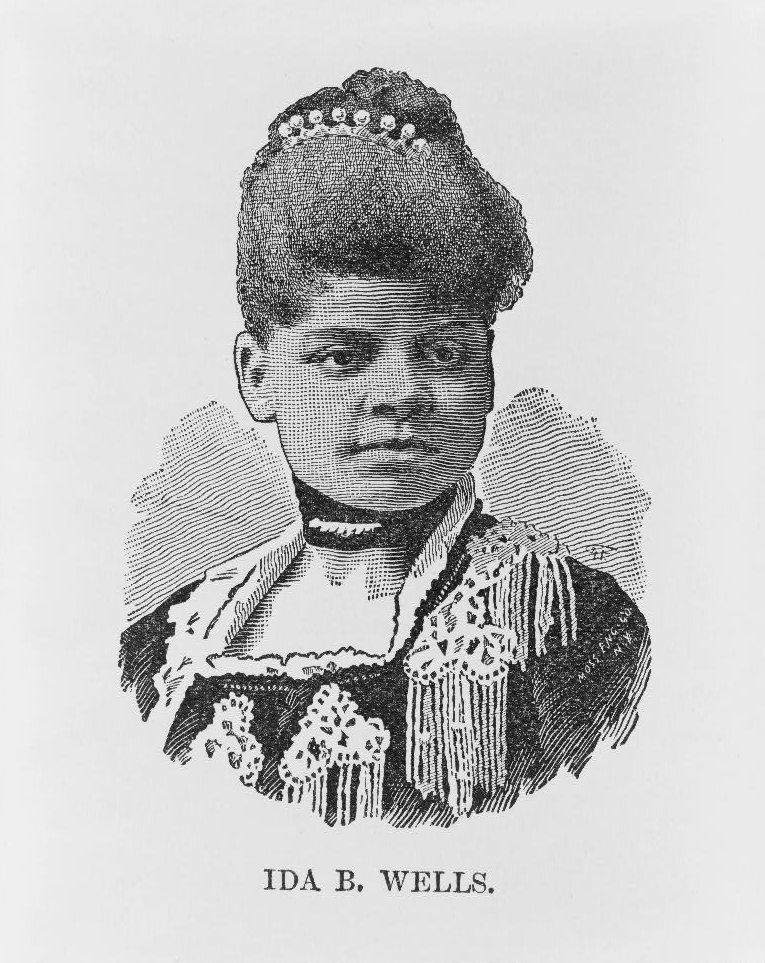
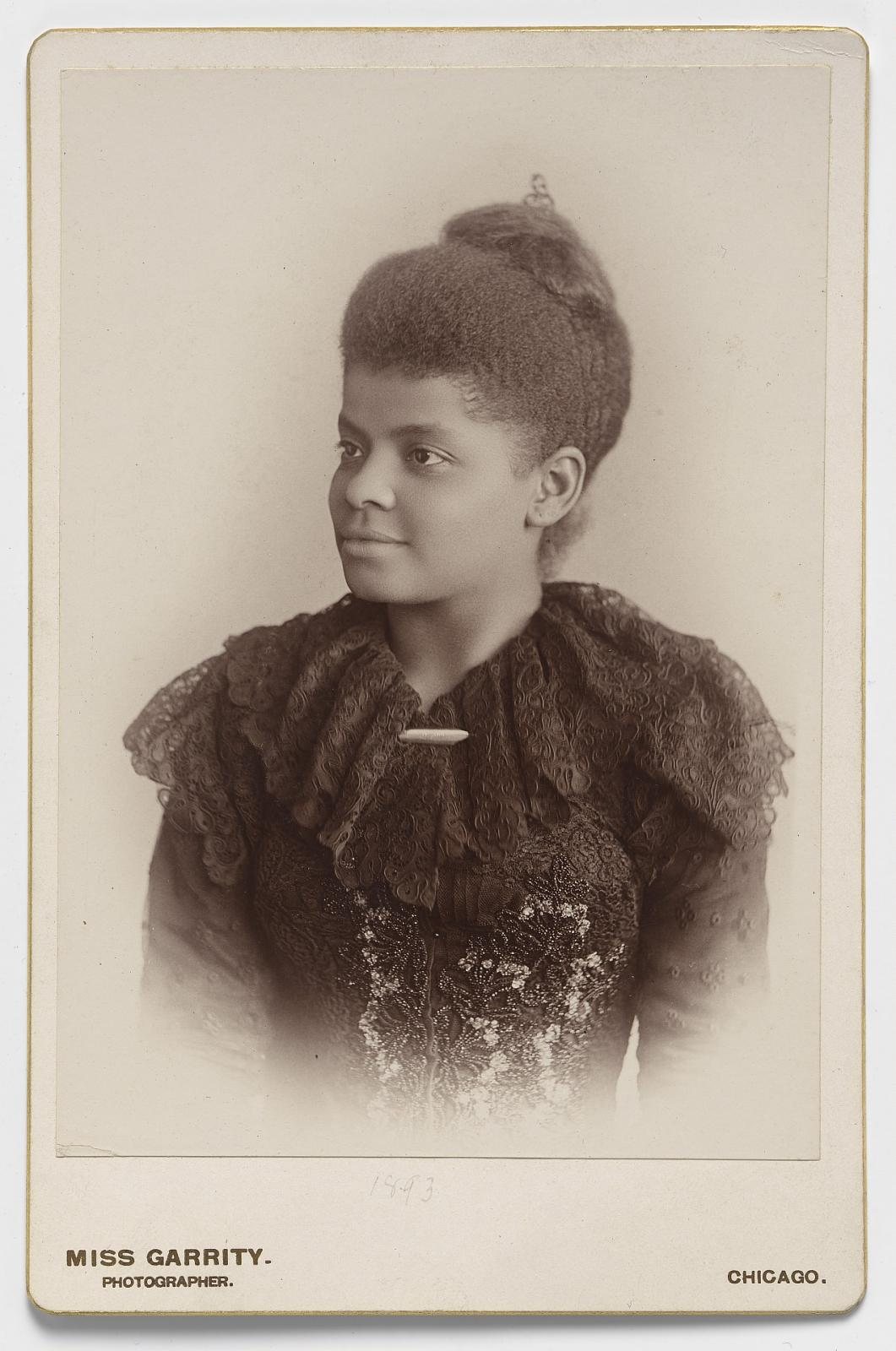
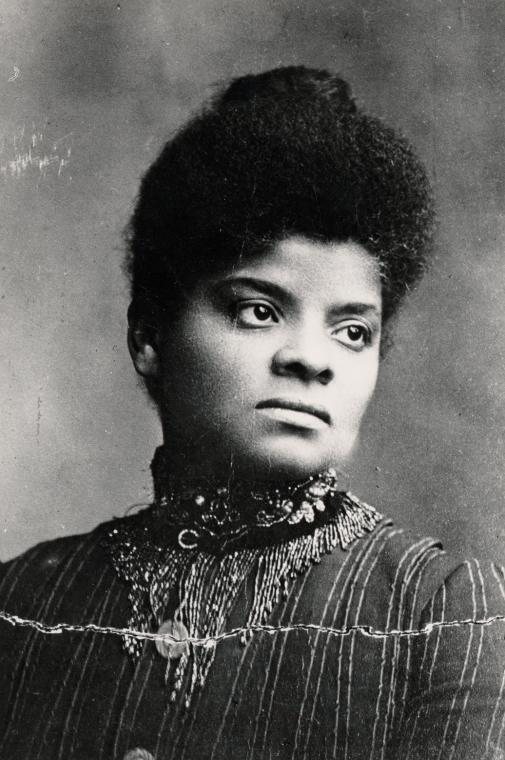
Ida Bell Wells was born into slavery on July 16, 1862, in Holly Springs, Mississippi, the oldest daughter of James and Lizzie Wells. After the war her father, a carpenter, helped start Rust College, a school for freedpeople in the town, and Ida studied there.
In 1878 yellow fever killed both her parents and her baby brother. She was sixteen. To keep her brothers and sisters together, she persuaded school officials that she was eighteen and took a job as a teacher. In the early 1880s she moved with her sisters to Memphis, Tennessee, to live with an aunt, and she taught in the city’s segregated schools.
A seat on the train
In May 1884 Wells bought a first-class train ticket and was told to move to the car set aside for Black passengers. She refused and was dragged from the train. She sued the railroad and won $500 in a local court, but in 1887 the Tennessee Supreme Court reversed the decision.
She began writing for Black newspapers under the pen name “Iola.” In 1889 she became part owner and editor of the Memphis Free Speech and Headlight. In 1891 she lost her teaching job after writing about the poor conditions in Memphis’s schools for Black children.
The people must know before they can act, and there is no educator to compare with the press.
Lynching in Memphis
In 1892 a mob in Memphis lynched three Black men: Thomas Moss, Calvin McDowell and Will Stewart. Moss was her friend. The three ran a grocery store. After they shot white men while defending it, they were jailed, then taken from their cells and killed.
Wells set out to investigate lynchings across the South, using eyewitness interviews, the testimony of families and public records. She challenged the excuse most often given for lynching, the claim that Black men had assaulted white women. On May 21, 1892, the Free Speech published an editorial that called it a lie. While Wells was in New York, a mob destroyed the paper’s office and equipment. She did not return to Memphis.
A crusade in print
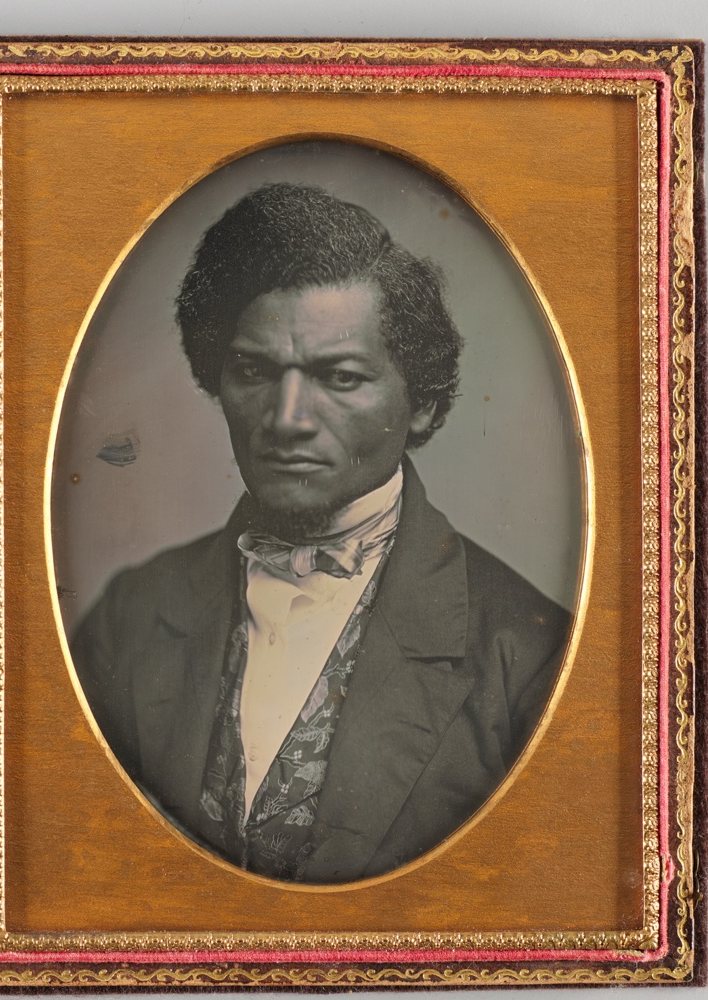
From New York she wrote for the New York Age, and in October 1892 she published her findings as a pamphlet, Southern Horrors: Lynch Law in All Its Phases. In 1893 and 1894 she made two lecture tours abroad, and her work in Britain helped inspire a London Anti-Lynching Committee. In 1893, in Chicago, she produced a pamphlet protesting the exclusion of Black Americans from the World’s Columbian Exposition, and handed it out at the exposition’s Haitian booth, where Frederick Douglass was a representative.
In 1895 she published A Red Record, a longer study with statistics on lynching. That June she married Ferdinand L. Barnett, a Chicago lawyer and newspaper owner. She kept her own name, as Ida B. Wells-Barnett, and the couple had four children.
Chicago
In 1898, after the lynching in South Carolina of Frazier B. Baker, a Black postmaster, and his two-year-old daughter, Julia, Wells pressed President William McKinley and members of Congress to act. In 1909 she was one of about sixty people who signed the call for the conference that led to the NAACP, and she spoke there on lynching. She later kept her distance from the organization, which she felt was not active enough.
In Chicago she was the first president of the Negro Fellowship League, which helped newcomers from the South. On January 30, 1913, she founded the Alpha Suffrage Club to help Black women use the vote. That year, at the woman suffrage parade in Washington, Black women were asked to march at the back. Wells refused and joined the Chicago marchers as they passed.
In 1930 she ran for the Illinois State Senate and lost. She died in Chicago on March 25, 1931. In 2020 the Pulitzer Prize board awarded her a special citation for her “outstanding and courageous reporting” on violence against African Americans in the era of lynching.