Born Araminta
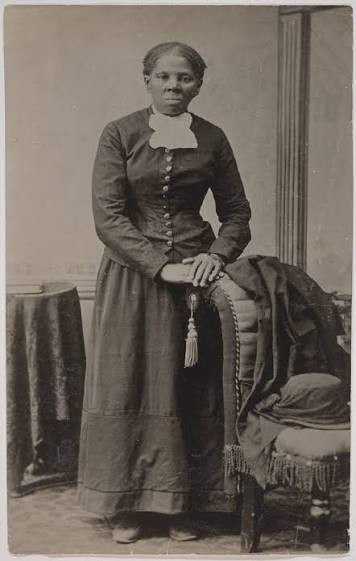
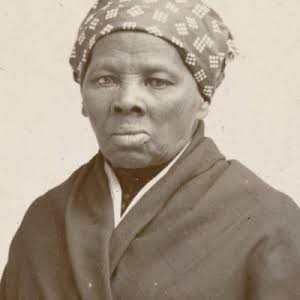
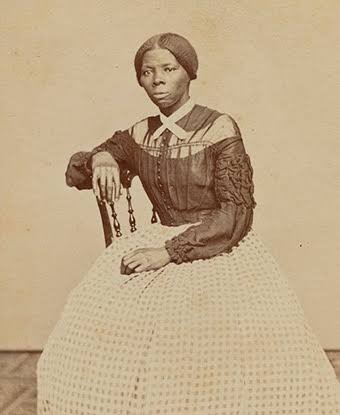
Harriet Tubman was born Araminta Ross around March 1822 in Dorchester County, on Maryland’s Eastern Shore. Her parents, Ben and Harriet “Rit” Ross, were both enslaved. Her family called her Minty.
As a child she was hired out to other enslavers to look after children, and later to plow fields and work on the wharves. Three of her sisters were sold away from the family. While she was still young, she was nearly killed when a heavy weight thrown in a dry goods store struck her head.
In 1844 she married John Tubman, a free Black man, and took the name Harriet.
Freedom, and the road back
In 1849, after her enslaver died and she faced being sold, she escaped and made her way north to Philadelphia. Her enslavers offered a reward of up to $100 for her capture.
Freedom for herself was not enough. In 1850 she returned to Maryland to bring out her niece Kessiah and Kessiah’s two children. On Christmas Day 1854 she led three of her brothers to freedom, and in 1857 she brought out her aged parents. The Fugitive Slave Act of 1850 made the free states unsafe, so many of the people she guided settled in Canada.
Over about thirteen trips she led some seventy people to freedom, and gave instructions to about seventy more who found their own way. She later said she never lost a passenger. The abolitionist William Lloyd Garrison called her “Moses.”
Dere’s two things I’ve got a right to, and dese are, Death or Liberty—one or tother I mean to have.
A soldier for the Union
When the Civil War came, Tubman went to South Carolina in early 1862 to nurse Black soldiers and civilians. She also cooked, and she scouted and spied behind Confederate lines for General David Hunter.
On the night of June 1–2, 1863, Union gunboats carried Colonel James Montgomery’s troops, most of them Black soldiers of the 2nd South Carolina Volunteer Infantry, up the Combahee River. Tubman had helped plan the raid, and she guided it. More than 700 enslaved people were freed, and she recruited more than 150 of the men to join the Union Army. The National Archives describes her as the only woman to lead a military action in the Civil War.
A life of service
In 1859 Tubman had bought a home on the edge of Auburn, New York, from William H. Seward, and Auburn remained her home for the rest of her life. After the war she worked for women’s right to vote with the same conviction she had brought to the fight against slavery.
She waited decades for the nation to recognize her service. In 1890 she began receiving a widow’s pension of $8 a month as the widow of Civil War veteran Nelson Davis, and in 1899 Congress raised it to $20 a month. In 1896 she bought land beside her home for the care of elderly African Americans, and the Harriet Tubman Home for the Aged opened there in 1908.
Harriet Tubman died in Auburn on March 10, 1913, and was buried at Fort Hill Cemetery with military honors.