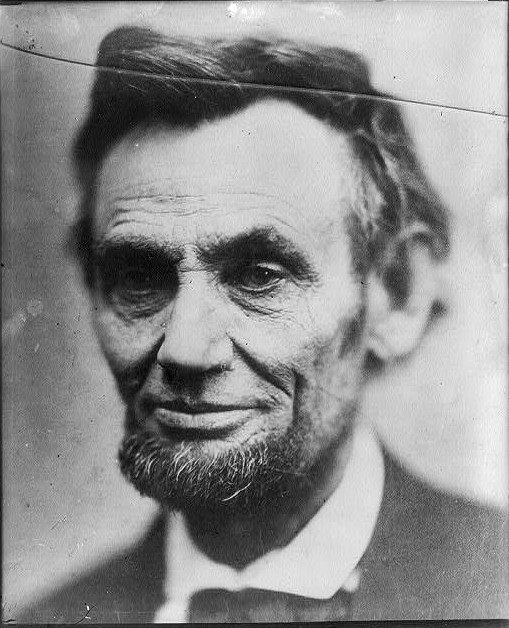
From Kentucky to Springfield
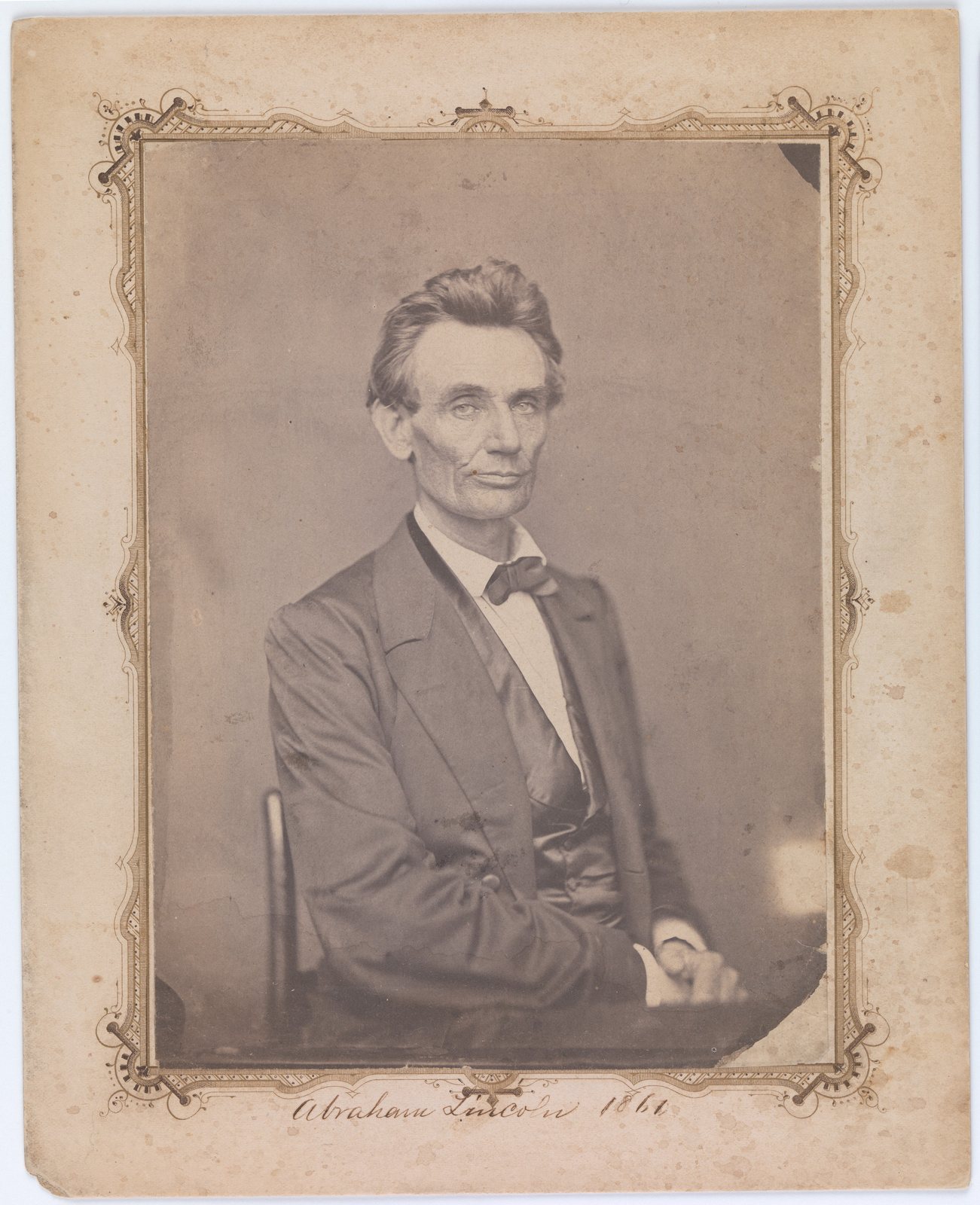
Abraham Lincoln was born on February 12, 1809, in a one-room log cabin near Hodgenville, Kentucky. His family moved to southern Indiana in 1816 and to Illinois in 1830.
He settled at New Salem, Illinois, in 1831 and won a seat in the state legislature in 1834. Voters returned him in 1836, 1838 and 1840. He studied law and moved to Springfield in 1837. That year he and another legislator, Dan Stone, filed a protest calling slavery “founded on both injustice and bad policy.” The same protest held that Congress had no power to interfere with slavery in the states.
He married Mary Todd in 1842. In 1844 he formed the law partnership of Lincoln & Herndon. He served one term in the U.S. House of Representatives, from 1847 to 1849, and did not seek reelection.
Against slavery, within limits
Opposition to the Kansas-Nebraska Act of 1854 drew Lincoln back into politics. At Peoria that year he said of slavery, “I hate it because of the monstrous injustice of slavery itself.”
His opposition had limits. In the same speech he said his first impulse would be to free the enslaved and send them to Liberia. On equality he said, “My own feelings will not admit of this.” In 1858, during his Senate race against Stephen A. Douglas, he wrote that he had “expressly disclaimed all intention to bring about social and political equality between the white and black races.” He also held that the word “men” in the Declaration of Independence included Black Americans.
During that race he gave his “House Divided” speech on June 16, 1858, and he debated Douglas in seven Illinois towns. In Chicago he said, “I have always hated slavery, I think as much as any Abolitionist.” He lost the race. In 1859 he told an audience in Cincinnati, “I think Slavery is wrong, morally, and politically.” In May 1860 the Republican Party nominated him for president, and he won the election that November.
And by virtue of the power, and for the purpose aforesaid, I do order and declare that all persons held as slaves within said designated States, and parts of States, are, and henceforward shall be free; and that the Executive government of the United States, including the military and naval authorities thereof, will recognize and maintain the freedom of said persons.
War and the Proclamation
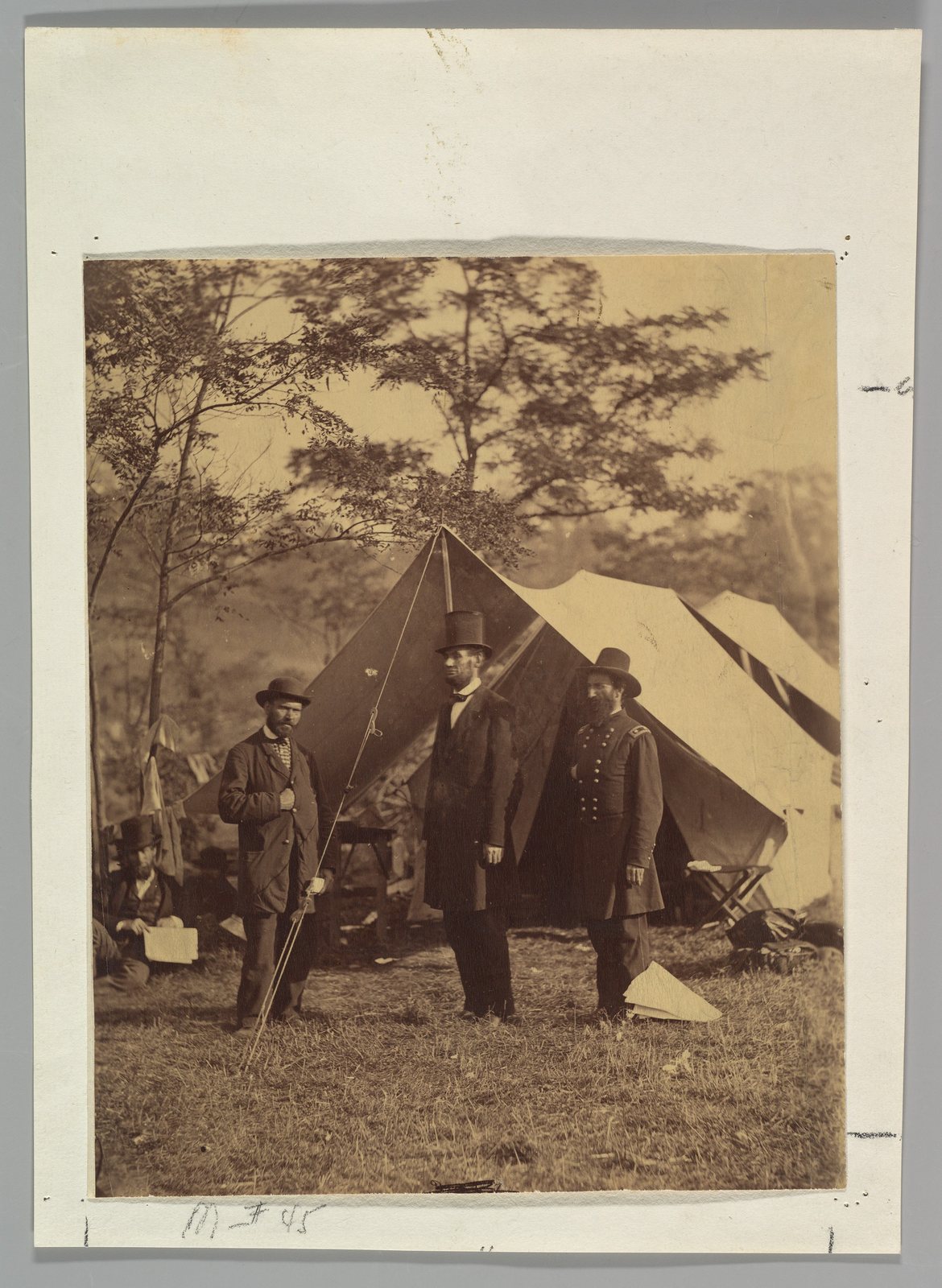
Lincoln took office in March 1861. He believed he could act against slavery only as a war measure, and he feared losing the loyal border slave states. In 1861 he overruled Gen. John C. Frémont, and in 1862 Gen. David Hunter, when each issued his own emancipation order.
Pressure built in 1862. In April, Congress abolished slavery in the District of Columbia and paid enslavers for their losses. In July it authorized the enlistment of Black soldiers and freed the enslaved people of disloyal owners.
Lincoln also held on to colonization. In August 1862 he invited five Black men to the White House and urged them to support emigration. A colony on a small island off Haiti received about 450 Black Americans. Within about a year nearly a quarter had died, and the survivors were brought back.
That month, answering the editor Horace Greeley in public, he called saving the Union his “paramount object.” He had already shown his cabinet a draft emancipation order. On September 22, 1862, after the Battle of Antietam, he issued the Preliminary Emancipation Proclamation.
The final Proclamation took effect on January 1, 1863. It declared free all people enslaved in the states and parts of states still in rebellion. It did not apply to the loyal border states, it exempted Confederate areas already under Union control, and it depended on Union armies to enforce it. It urged the people it freed to avoid violence except in self-defense and to “labor faithfully for reasonable wages.” It dropped colonization and opened the Army and Navy to Black men. By the war’s end almost 200,000 Black soldiers and sailors had fought for the Union.
The last months
In April 1864 Lincoln wrote that he was naturally antislavery. He admitted that events had shaped his course more than he had shaped them. That August, when he and some of his advisers feared he would lose the election, he drafted terms for peace talks that would have left slavery unsettled. He and his cabinet dropped the idea.
On January 31, 1865, the House of Representatives passed the Thirteenth Amendment, which the Senate had approved in April 1864. It abolished slavery except as punishment for crime. Lincoln signed the resolution, and Illinois became the first state to ratify it.
On April 11, 1865, in his last public speech, he backed the vote for some Black men: “I would myself prefer that it were now conferred on the very intelligent, and on those who serve our cause as soldiers.” Three days later John Wilkes Booth shot him at Ford’s Theatre in Washington. Lincoln died the next morning and was buried in Springfield. The Thirteenth Amendment was ratified that December.